Making new from old… This is what some 130 Foundation
students specialising in Design at
Camberwell College of Arts were assigned to do, when
using old pieces of furniture, taking them apart and using the pieces to create
something new. Deconstructing is often the best way of finding out
how things are made, and with this brief students got the opportunity to
experience first hand how to identify elements of design from the structural to the functional, how materials were combined and how the furniture was constructed.
While teaching them I for one got to refresh my memory on
some technical jargon and certainly won’t be forgetting the difference between
a dado and groove joint in a hurry! The whole project amounted to a cut and
paste exercise in 3D, with making leading the design process.

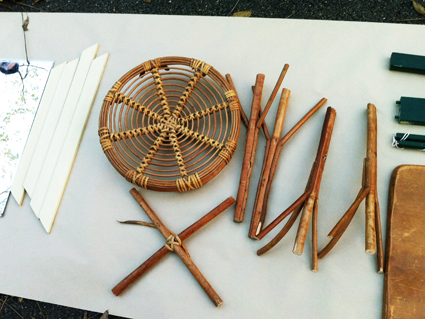
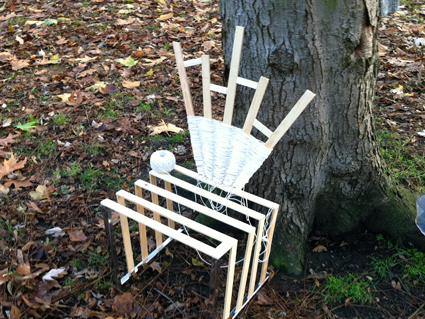
The best part, aside from the final display of outcomes illustrated below, was when students traded and exchanged parts during a bric-a-brac / flea market type event half way through the project. Not everyone got what they wanted, some lost almost all they had brought, but with this new opportunities for thinking and making were made possible as an
ad-hoc element was thrown into the brief.
The potential these works have lie in their open ended functionality: a constructed piece might become a chair when positioned one way, a table when used on its side, or a piece of architecture when it's turned upside down. Their practicality will ultimately be negotiated between the maker and the user. Meanwhile, the 3D workshop area with all its tools and equipment has become less of an alien environment for the students, a must for future designers.